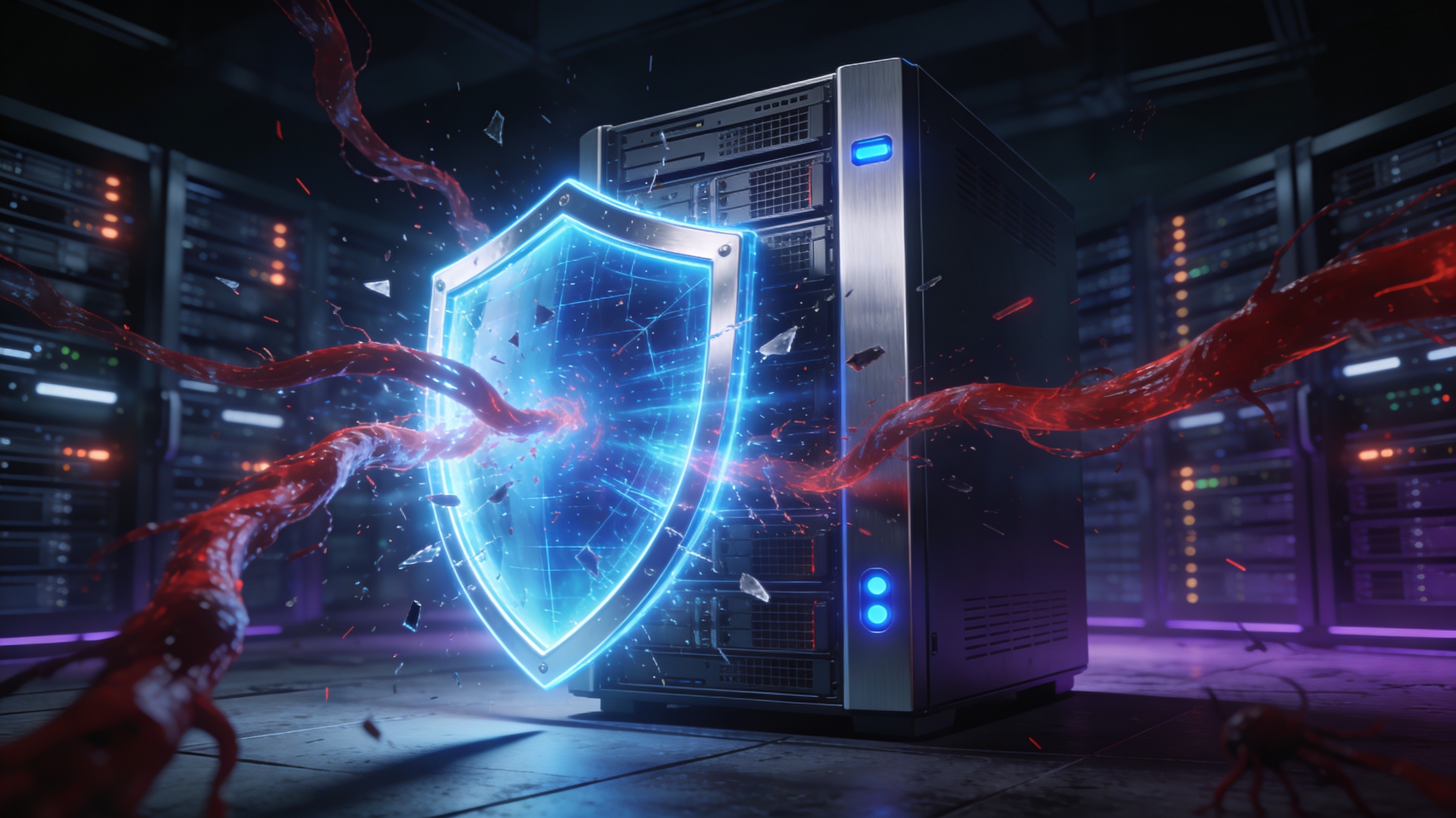
The March 2026 APT Iran breach of Lockheed Martin, which exposed 375 terabytes of sensitive data, highlights the urgent requirement for deterministic, runtime security in enterprise networks. The VTS Semantic (Sentient) Firewall prevents such large-scale data exfiltration by enforcing zero-trust business intent inline across application and AI interactions.
The March 2026 APT Iran breach of Lockheed Martin, which exposed 375 terabytes of sensitive data, highlights the urgent requirement for deterministic, runtime security in enterprise networks. The VTS Semantic (Sentient) Firewall prevents such large-scale data exfiltration by enforcing zero-trust business intent inline across application and AI interactions.
Threat Landscape: Lockheed Martin
In March 2026, a pro-Iran hacktivist group claimed responsibility for exfiltrating 375 terabytes of corporate files from Lockheed Martin, demanding a 400 million USD ransom. With modern attackers frequently spreading laterally across networks in under 30 seconds, traditional post-interaction alerts are completely insufficient for defending complex architectures. This systemic failure demonstrates the critical need for defensive systems that enforce hard boundaries at the exact point of system interaction.
Sentient Firewall Mitigation Strategy
The VTS Semantic Firewall operates as a deterministic control plane that enforces policies at runtime across conversation, transformation, and Retrieval-Augmented Generation (RAG) workflows. By leveraging a split-plane architecture, Sentient executes 60ms inline blocking at the edge using natural language processing for intent classification and behavioral profiling. Treating all external data sources as untrusted, the firewall applies fail-closed semantics to ensure unauthorized exfiltration is halted before any data is generated or released.